GrassCheckGB has been monitoring grass growth and helping livestock producers improve their grassland management since 2019. At the end of the most difficult growing season since its outset, Farmers Guardian asked three participating farmers how the 2022 season has been for them.

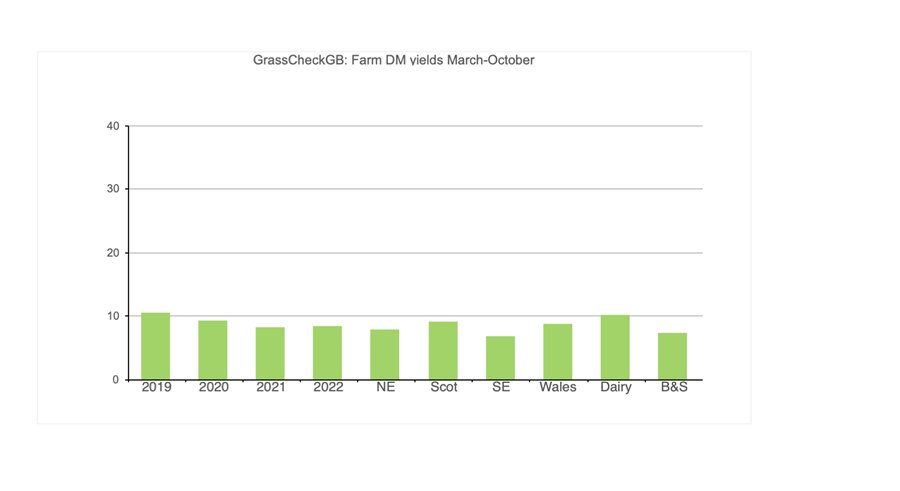
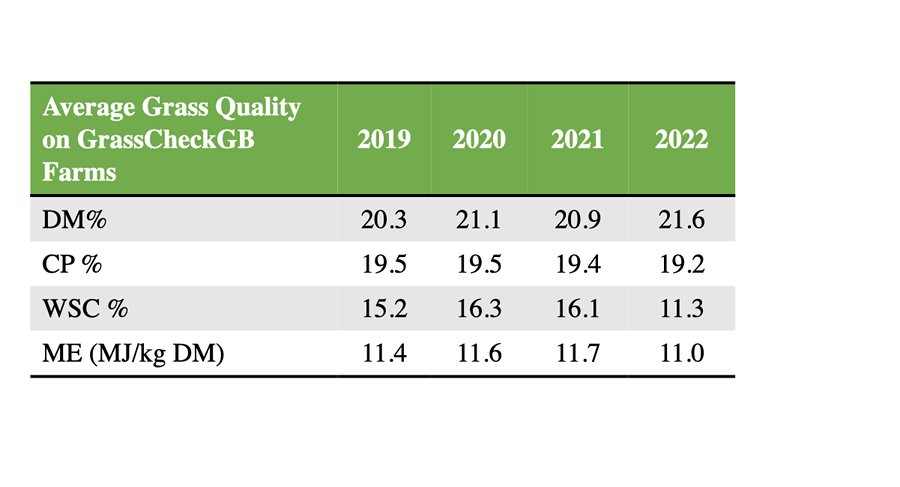
Results from the GrassCheckGB project show regional patterns of growth turned on their head in 2022. This reflects the long drought, which hit farms in England and Wales particularly hard.
As the winter approaches she says farmers may want to consider on-off grazing.
“Being flexible and grazing when you have the opportunity can help maximise production. And if you put stock on a smaller area for a shorter time, they should be able to achieve a good grass intake without damaging the ground.”
Also recommending using the winter to review yields of individual paddocks, she says: “Try to gauge which fields are under-performing, and find out why. If there’s no obvious difference in management or drainage, I'd advocate checking the physical condition of the soil.
“This means getting out the spade and digging a hole. Then consider taking soil samples, testing for pH, P and K, and assessing sward composition to ensure there’s still a good proportion of productive species in the sward.”
GrassCheckGB is a collaborative grass monitoring project run by CIEL (Centre for Innovation in Livestock), the Agri-Food and Biosciences Institute (AFBI) and Rothamsted Research, and supported by AHDB, QMS, HCC, Germinal GB, Handley Enterprises, Sciantec Analytical, Datamars Livestock, Morrisons, Corteva Agriscience & Yara. The project will continue in 2023. See www.grasscheckgb.co.uk